V4 Energy Roadmap: From Shared Vulnerabilities to a Common Regional Voice
Reflections from the Strategic Energy Roundtable in Sopot, 15 October 2026
Can the Visegrad countries transform their common energy vulnerabilities into a stronger regional voice in shaping Europe's energy future?
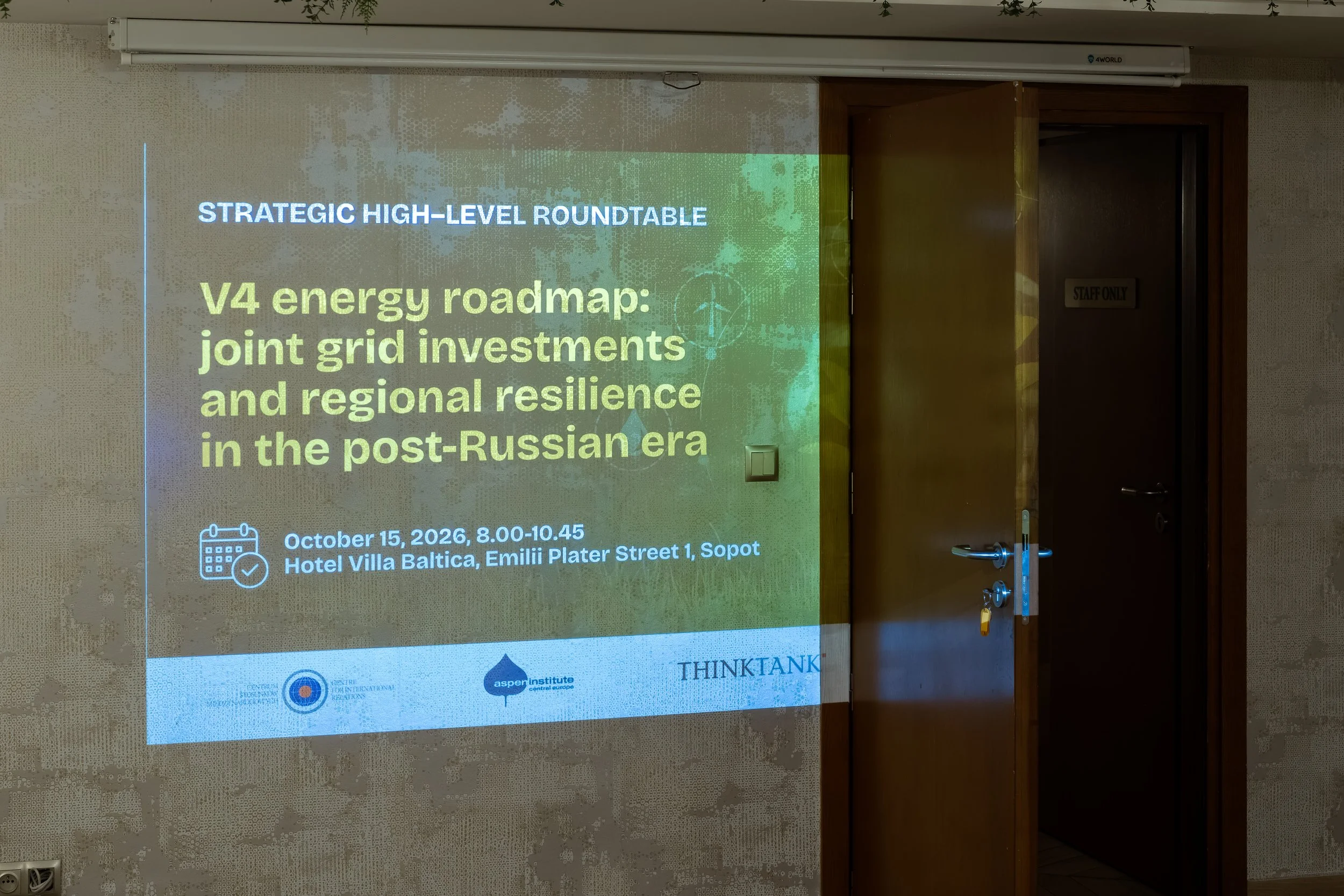
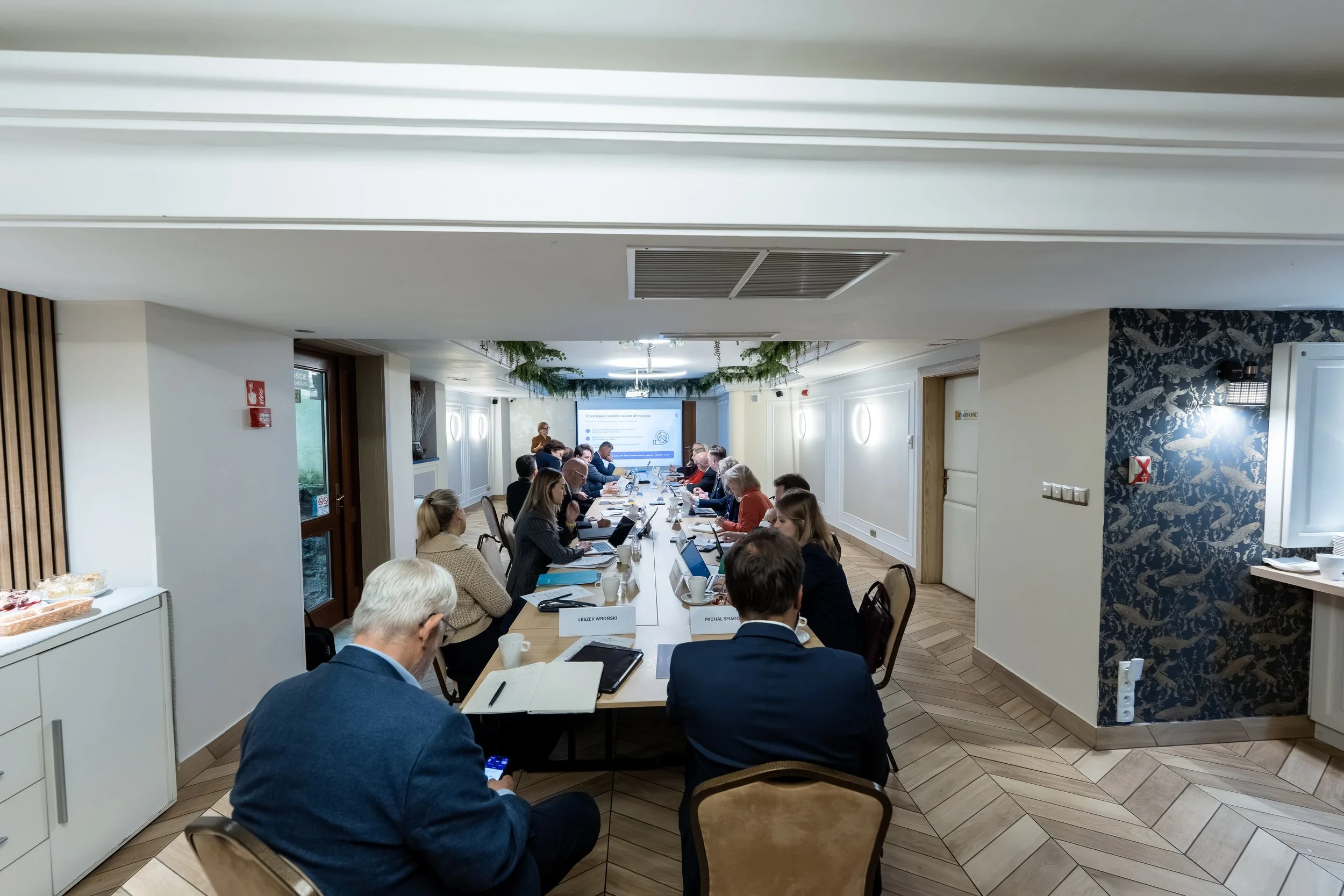
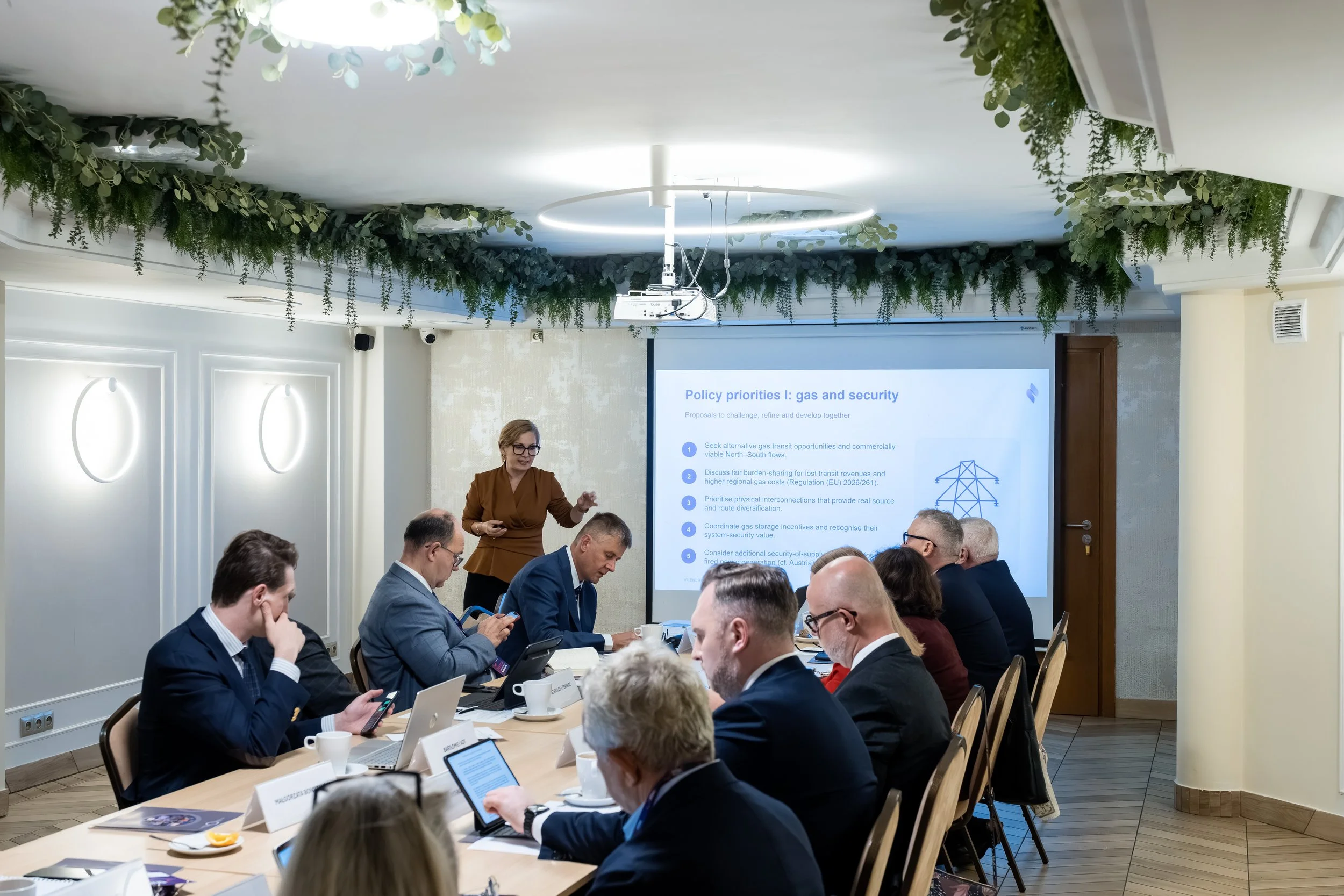
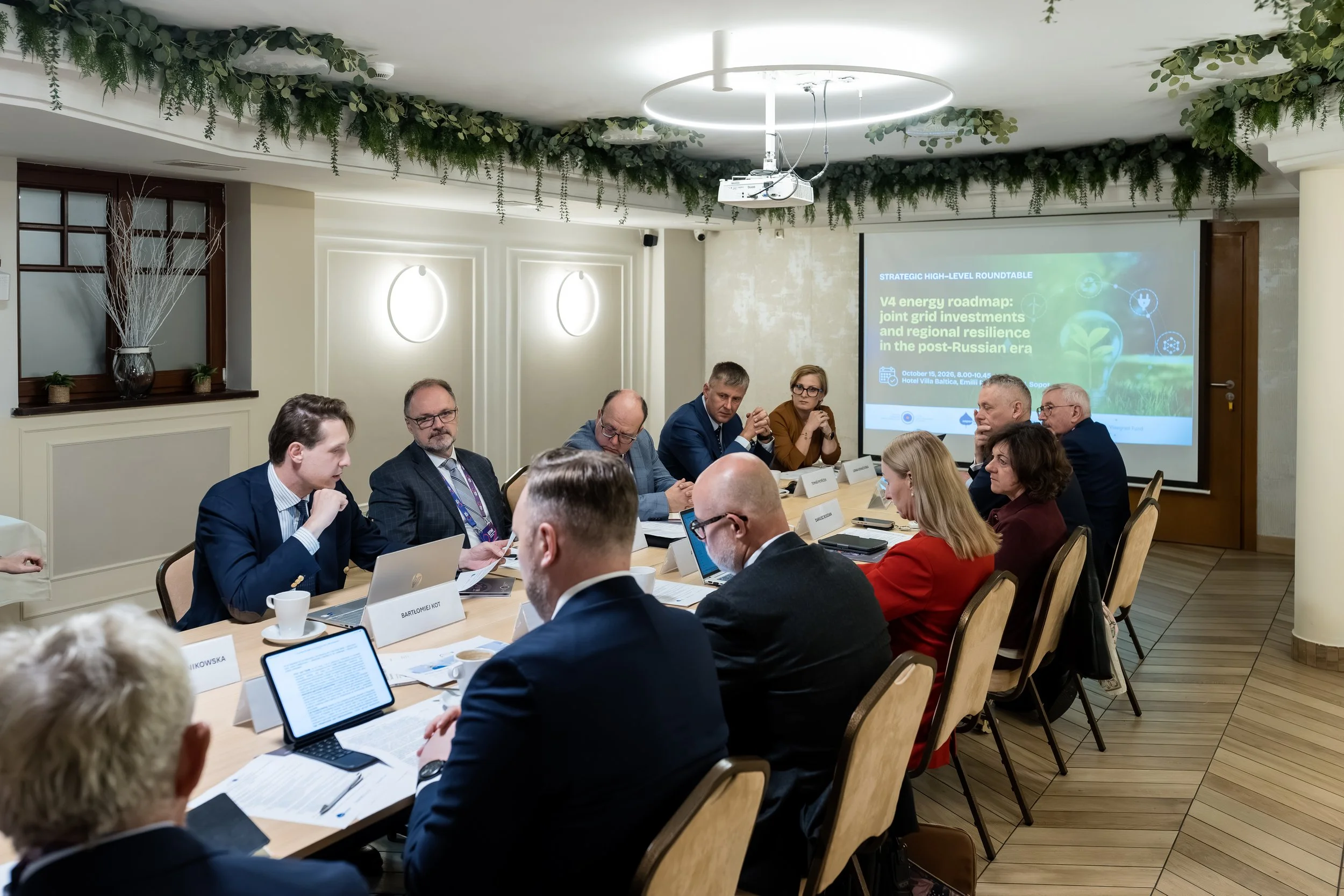
This was the central question behind my opening presentation at the strategic roundtable "V4 Energy Roadmap: Joint Grid Investments and Regional Resilience in the Post-Russian Era", held on 15 October 2026 in Sopot, Poland, alongside the European Forum for New Ideas (EFNI).
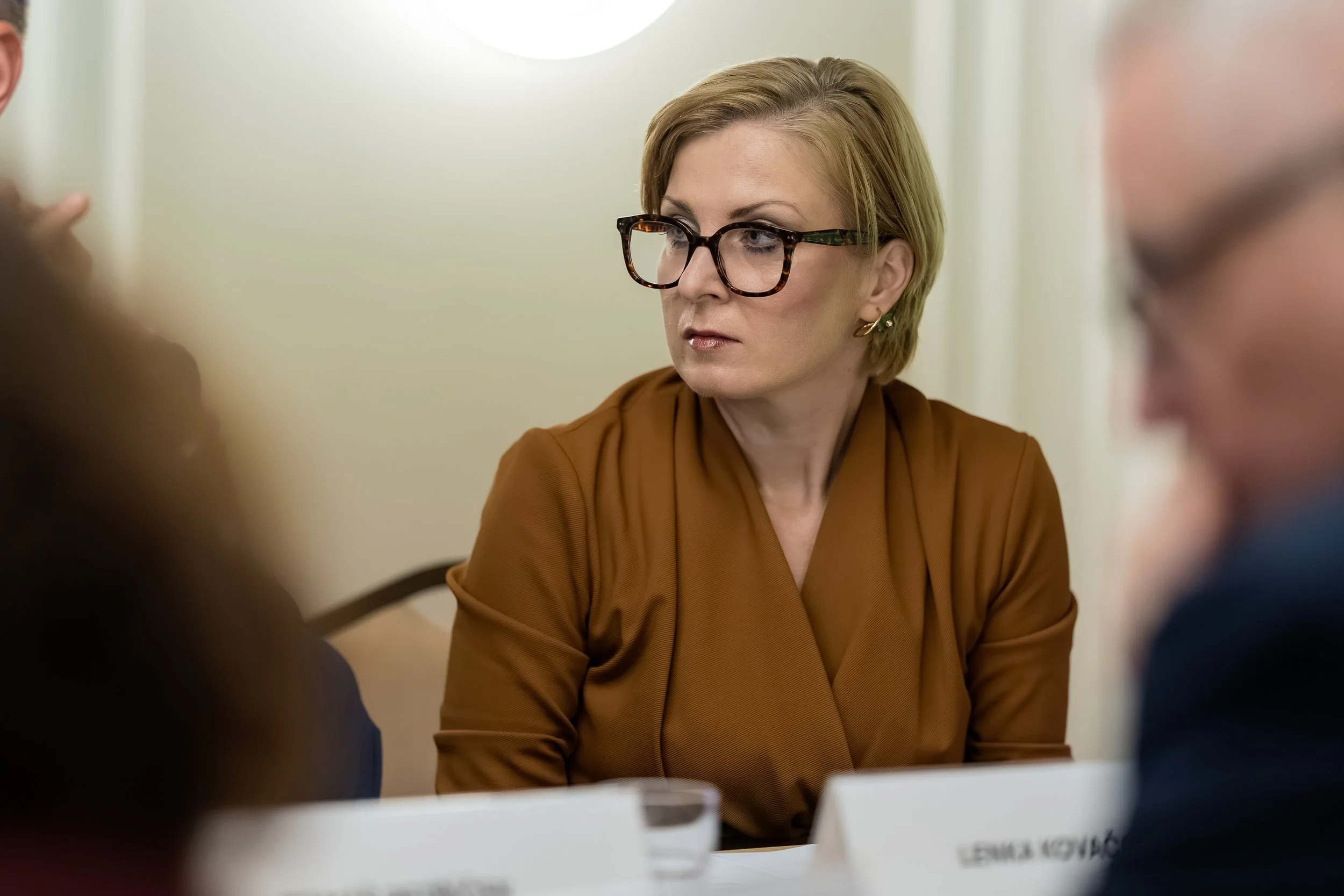
The event brought together high-level policymakers, representatives of European and national transmission system operators, industry leaders and energy experts to discuss the future of regional energy cooperation in a profoundly changing geopolitical and economic environment.
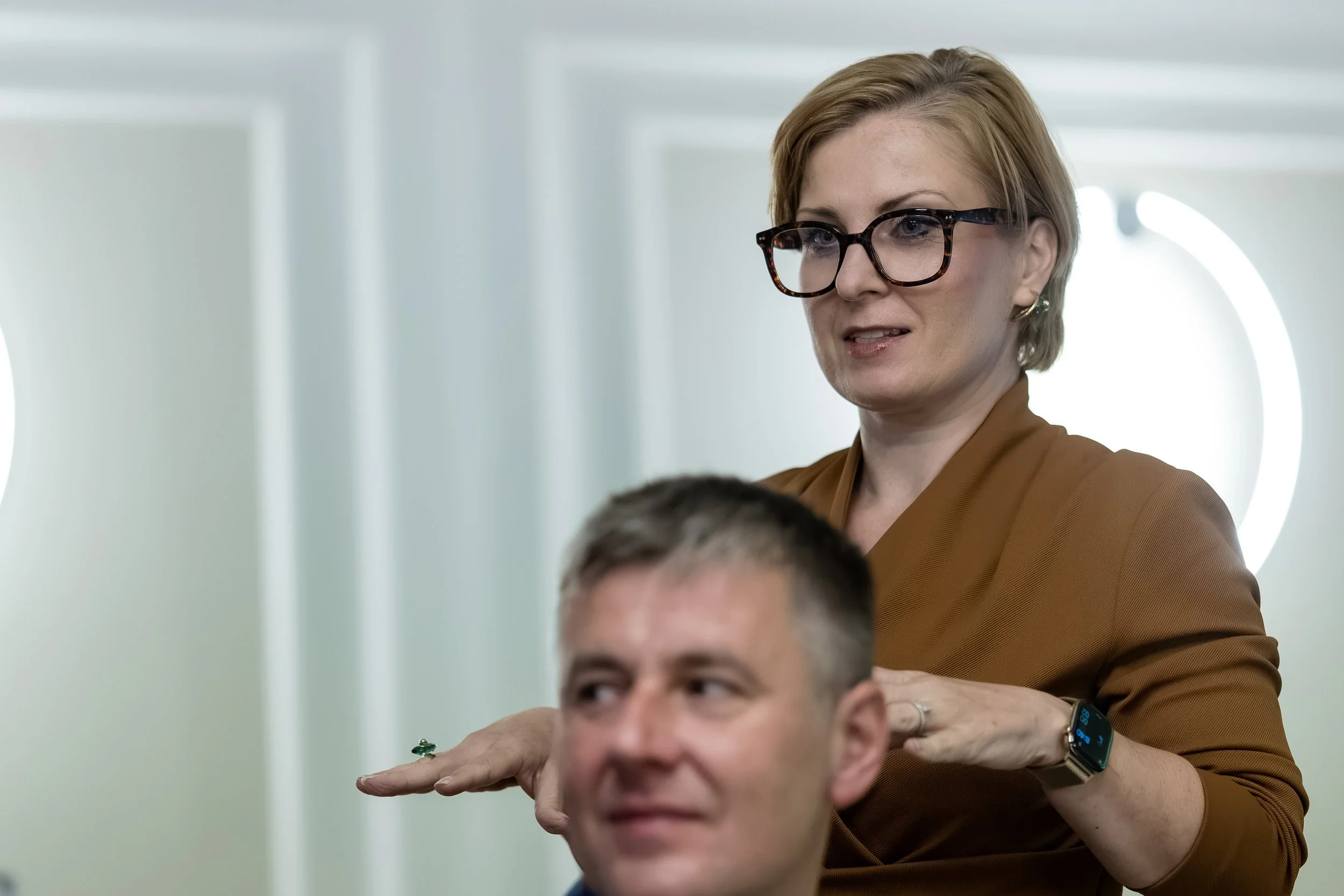
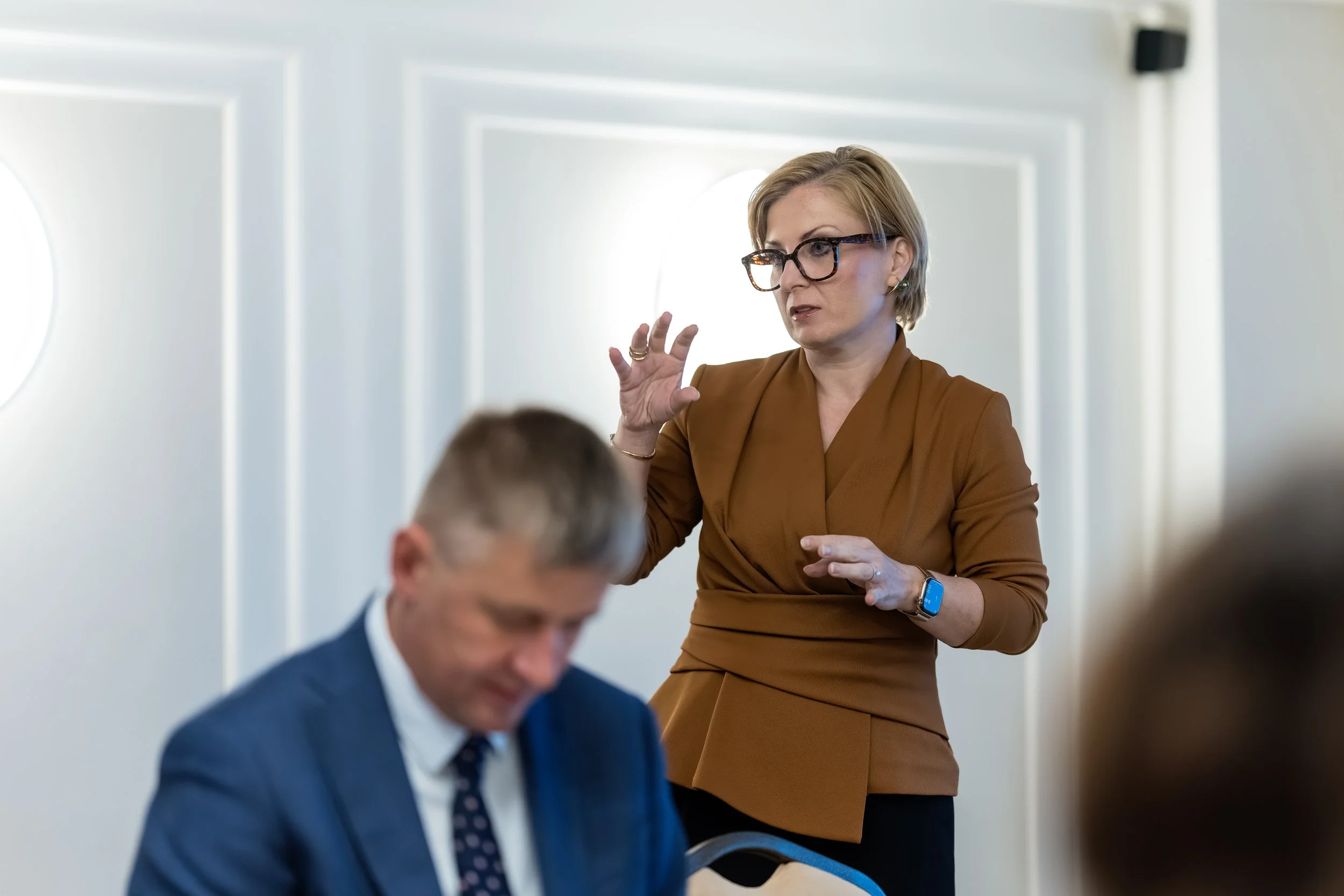
I had the pleasure of contributing to the opening session with a presentation based on my background paper, "V4 Energy Roadmap: From Shared Vulnerabilities to a Common Regional Voice", prepared to stimulate the subsequent policy discussion.
A region facing a structural reset
The Visegrad countries are navigating several fundamental transformations simultaneously.
First, the phase-out of Russian energy supplies has profoundly changed the energy geography of Central Europe.
Countries that historically benefited from their position as major gas transit corridors have lost significant transit revenues and geopolitical leverage. At the same time, substantial parts of their gas infrastructure must continue to be maintained and financed, despite considerably lower utilisation.
The shift from Russian pipeline gas towards LNG has also altered regional price dynamics and exposed Central European consumers to new costs and vulnerabilities.
This raises an important question: should the countries most affected by the transformation of European gas flows bear a disproportionate share of its economic consequences?
Second, energy competitiveness has become an increasingly urgent challenge.
European industry continues to face substantially higher energy costs than many of its global competitors. National governments have responded with various support schemes, but this creates the risk of subsidy competition within the European Single Market.
For smaller Central European economies, competing with the financial resources of larger Member States is hardly a sustainable strategy.
A more coordinated regional approach to European energy and industrial policy may therefore be increasingly important.
Third, the energy transition is fundamentally changing the requirements placed on our energy systems.
The approaching coal phase-out, accelerated electrification and growing share of weather-dependent renewable generation are creating new challenges for system adequacy, flexibility and security of supply.
One of the key messages of my presentation was that we can no longer assess the resilience of gas and electricity systems separately.
As gas-fired generation becomes increasingly important for electricity system balancing and adequacy, the availability of gas during critical hours may matter just as much as overall seasonal gas storage volumes.
Imagine a prolonged winter Dunkelflaute — a period of very low wind and solar generation — combined with depleted gas storage facilities and insufficient withdrawal capacity to supply the gas-fired power plants needed to keep the electricity system running.
This is precisely the type of cross-sectoral vulnerability that requires a more integrated approach to energy security.
From common challenges to common solutions
My background paper identifies several areas where deeper V4 cooperation could bring tangible benefits.
Gas infrastructure and regional security. We should explore alternative gas transit opportunities, strengthen commercially and physically viable North–South flows, and discuss fairer burden-sharing of the costs associated with the transformation of European gas supply routes. Regional coordination of gas storage incentives and security-of-supply measures could also help improve resilience while limiting costs for consumers.
Electricity grids and market integration. Strengthening cross-border interconnections and internal grids is essential, but we should also make better use of existing infrastructure. Deeper integration of regional balancing markets, more efficient allocation of grid connection capacity and stronger incentives for demand-side flexibility could generate considerable economic benefits.
European energy and climate policy. The V4 countries have important common interests in ensuring that the European regulatory framework supports industrial competitiveness, investment and affordability. This includes a critical reassessment of the functioning of ETS1 and CBAM, as well as the design and timing of ETS2.
A pragmatic approach to the energy transition. Decarbonisation should not be viewed exclusively as a cost or a regulatory obligation. It can also create opportunities for greater energy self-sufficiency, new industries, technological innovation and stronger consumer participation. However, investment decisions and regulatory interventions must reflect economic realities and genuine system needs.
Hydrogen provides a particularly relevant example: rather than developing infrastructure based on overly optimistic demand assumptions, we should focus on viable business models, realistic demand and carefully sequenced investments.
An exceptionally valuable policy discussion
The subsequent roundtable discussion addressed three interconnected pillars: infrastructure security and hybrid threats; North–South energy corridors and grid capacity; and the economics, financing and market integration needed to support regional resilience.
What I particularly appreciated was the opportunity to confront the initial proposals with perspectives from different parts of the energy sector — from policymakers and regulators to gas and electricity transmission system operators and major industrial players.
The objective was never to present a finished roadmap, but to initiate a discussion capable of producing meaningful and actionable policy recommendations.
I would therefore like to sincerely thank all participants for their openness, constructive criticism and exceptionally stimulating contributions.
Their comments and suggestions will provide valuable input into the next stage of my work: translating the initial discussion paper into a more comprehensive set of final policy recommendations for the Visegrad region.
I would also like to express my appreciation to the organisers for creating this opportunity for substantive regional dialogue and bringing together such a distinguished group of participants.
What comes next?
The challenges facing Central European energy systems are considerable, but so are the opportunities for cooperation.
The V4 countries may not always share identical energy mixes, national priorities or infrastructure interests. Nevertheless, they face many of the same structural vulnerabilities and have a strong interest in ensuring that Europe's energy transformation does not undermine their economic competitiveness or security of supply.
The key question remains:
Will the V4 region primarily absorb the costs of Europe's energy transformation — or will we jointly shape its direction?
I believe there is considerable potential for the latter, provided that regional cooperation focuses on concrete, economically meaningful and politically achievable priorities.
The discussion in Sopot was an important contribution to identifying them.
Read the background paper and presentation
For those interested in exploring the arguments and initial policy proposals in greater detail, I am sharing both documents below:
1. V4 Energy Roadmap: From Shared Vulnerabilities to a Common Regional Voice
Background paper, 15 October 2026
[Download the background paper – PDF]
2. V4 Energy Roadmap – Setting the Scene
Kick-off presentation, Strategic Roundtable, Sopot, 15 October 2026
[Download the presentation – PDF]
I welcome further comments, ideas and contributions to this ongoing policy discussion.